The Creeping Hydrangea: A Versatile And Stunning Vine
The Creeping Hydrangea: A Versatile and Stunning Vine
Climbing hydrangeas are a beautiful and versatile addition to any garden. These deciduous vines can grow up to 60 feet long, and their trailing stems can be trained to climb walls, fences, trellises, or arbors. They are also known for their stunning white flowers, which bloom in late spring and early summer.
Types of Climbing Hydrangeas
There are several different types of climbing hydrangeas, each with its own unique characteristics. The most common type is Hydrangea anomala petiolaris, also known as the climbing hydrangea or Japanese hydrangea vine. This species is native to Japan and Korea, and it is known for its large, showy white flowers. Other popular varieties include:
- Hydrangea anomala sargentiana: This variety has smaller flowers than H. anomala petiolaris, but it is more cold-tolerant.
- Hydrangea petiolaris: This variety is native to China, and it has smaller flowers than H. anomala petiolaris. However, it is more tolerant of shade.
- Schizophragma hydrangeoides: This variety is also known as the Japanese climbing hydrangea. It has smaller flowers than H. anomala petiolaris, but it is more tolerant of wind and salt spray.
Growing Climbing Hydrangeas
Climbing hydrangeas are relatively easy to grow. They prefer moist, well-drained soil and partial to full shade. They can tolerate some direct sunlight, but excessive sun exposure can scorch their leaves. Climbing hydrangeas are not very fussy about soil pH, but they do best in slightly acidic soil.
Climbing hydrangeas are not very drought-tolerant, so they need to be watered regularly, especially during hot, dry weather. They do not need to be fertilized very often, but a light application of fertilizer in the spring can help promote healthy growth and flowering.
Pruning Climbing Hydrangeas
Climbing hydrangeas do not need to be pruned heavily, but they may benefit from some light pruning in the spring to remove dead or damaged stems. You can also prune climbing hydrangeas to control their size and shape. If you want to encourage your climbing hydrangea to bloom more profusely, you can prune it back to about half its size in the late winter or early spring.
Propagating Climbing Hydrangeas
Climbing hydrangeas can be propagated by rooting stem cuttings in the spring or summer. To take a stem cutting, choose a healthy stem that is about 6 inches long. Remove the leaves from the bottom half of the cutting, and then dip the cut end in rooting hormone. Plant the cutting in a pot of moist potting mix, and place the pot in a warm, shady spot. Keep the potting mix moist, and the cutting should root in a few weeks.
Uses for Climbing Hydrangeas
Climbing hydrangeas are a versatile plant that can be used in a variety of ways. They are a beautiful addition to any garden, and they can also be used to cover unsightly walls or fences. Climbing hydrangeas can also be grown in containers, and they make a great choice for patio or balcony gardens.
Conclusion
Climbing hydrangeas are a beautiful and easy-to-grow plant that can add a touch of elegance to any garden. With their stunning white flowers and trailing stems, climbing hydrangeas are sure to turn heads. If you are looking for a versatile and stunning vine for your garden, the climbing hydrangea is a great option.
Creeping hydrangeas (Hydrangea anomala subsp. petiolaris) are beautiful vines that can add a touch of elegance to any garden. They are known for their large, white lacecap flowers that bloom in early summer, and their attractive foliage that turns yellow in autumn. Creeping hydrangeas are relatively easy to care for and can tolerate a wide range of conditions, making them a good choice for gardeners of all skill levels.
If you are interested in learning more about creeping hydrangeas, I recommend visiting . This website has a wealth of information on the plant, including its history, care requirements, and varieties. You can also find photos and videos of creeping hydrangeas in bloom.
I hope this helps!
FAQ of creeping hydrangea
- What is creeping hydrangea?
Creeping hydrangea (Hydrangea anomala subsp. petiolaris) is a deciduous vine that can grow up to 50 feet long. It is native to Japan and Korea, and is known for its white, elongated flower clusters that bloom in late spring or early summer. Creeping hydrangea is a relatively easy plant to care for, and is a popular choice for covering walls, fences, and other structures.
- How do I plant creeping hydrangea?
Creeping hydrangea can be planted in the spring or fall. Choose a location that receives full sun or partial shade. The soil should be well-drained and rich in organic matter. Dig a hole that is twice the width of the root ball, and amend the soil with compost or manure. Place the plant in the hole and backfill with soil, tamping down gently. Water the plant thoroughly.
- How do I care for creeping hydrangea?
Creeping hydrangea requires regular watering, especially during the first year after planting. Water the plant deeply once a week, or more often if the weather is hot and dry. Apply a layer of mulch around the plant to help retain moisture and suppress weeds. Fertilize the plant in the spring with a balanced fertilizer. Prune the plant in the fall or early spring to remove dead or damaged branches.
- When does creeping hydrangea flower?
Creeping hydrangea typically blooms in late spring or early summer. The flowers are white and elongated, and they can be up to 12 inches long. The flowers will fade to a light pink or green color as they age.
- How do I overwinter creeping hydrangea?
Creeping hydrangea is a hardy plant that can withstand cold winters. However, if you live in an area with extremely cold winters, you may want to take some precautions to protect your plant. In the fall, mulch the plant with a thick layer of leaves or straw. You may also want to cover the plant with a burlap sack or other protective material.
Image of creeping hydrangea
5 different images of "creeping hydrangea" from Pinterest:
- Image 1: A white creeping hydrangea cascading over a wall.

- Image 2: A pink creeping hydrangea covering a trellis.

- Image 3: A blue creeping hydrangea growing up a tree.
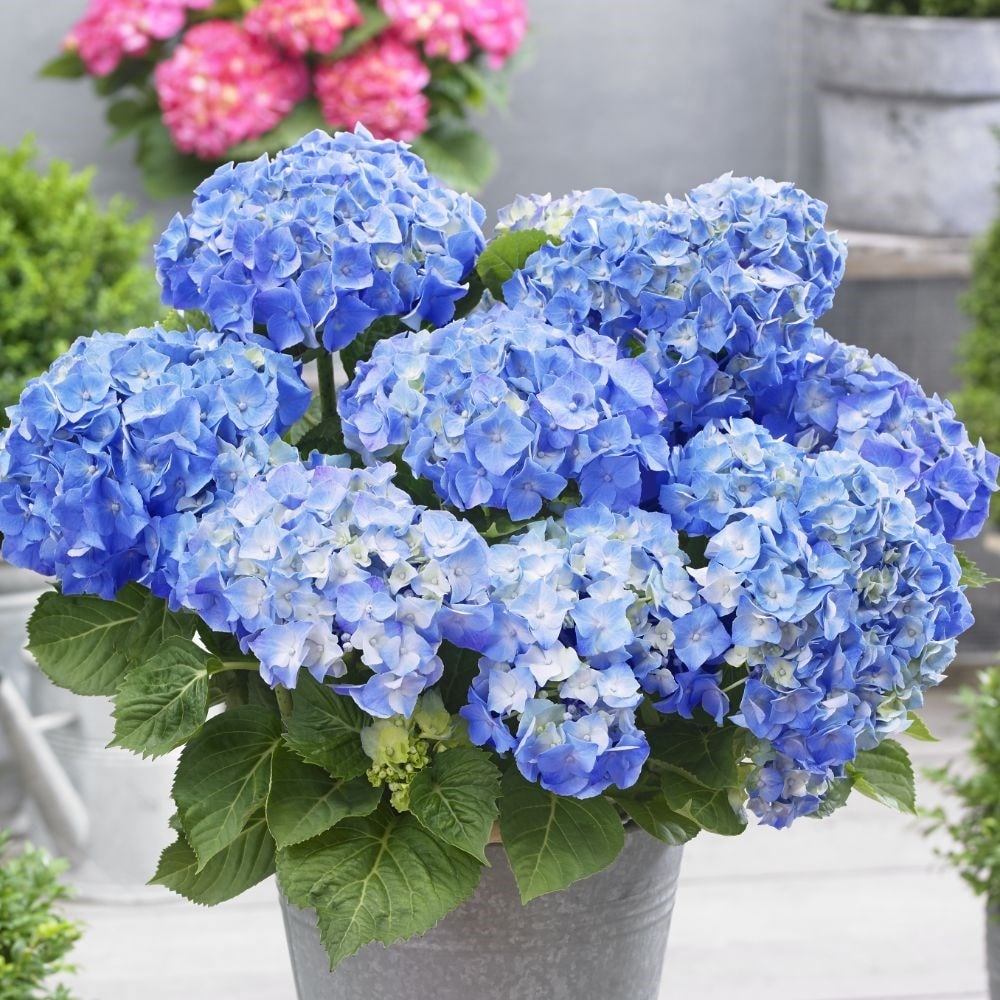
- Image 4: A creeping hydrangea with white flowers and dark green leaves.

- Image 5: A creeping hydrangea with pink flowers and light green leaves.

Post a Comment for "The Creeping Hydrangea: A Versatile And Stunning Vine"